
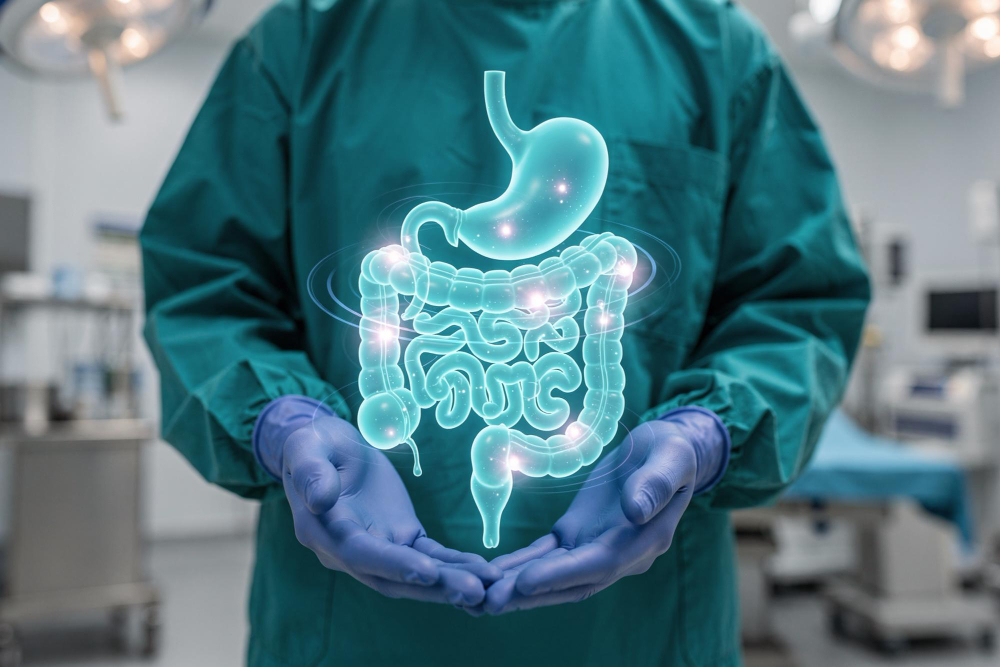
Piles, fissures, and fistula are common problems that affect the area around the anus. Many people feel embarrassed to talk about these issues. However, they can cause pain and discomfort. Modern treatments, such as gastro and laparoscopic surgery, offer safe and effective solutions. In this blog, you will learn about piles, fissures, and fistula, their causes, and the latest treatment options, including laparoscopic treatment for piles. If you are looking for a trusted gastro surgeon in your area, Dr. Pratul R. Gupta can help.
What Are Piles, Fissures, and Fistula?
First, it helps to understand what each condition means. Although they affect the same area, they are different problems.
While these conditions are common, they can affect daily life. For example, pain or bleeding may make it hard to sit or go to the toilet.
Common Causes
Many factors can lead to piles, fissures, or fistula. Understanding the causes can help with prevention and early treatment.
Additionally, sitting for long periods or heavy lifting may increase the risk. According to the World Health Organization, lifestyle factors play a big role in these conditions.
Symptoms to Watch For
Early signs can help you seek treatment sooner. While symptoms may vary, some are more common.
Sometimes, these symptoms may overlap. Therefore, it is important to consult a doctor for the right diagnosis.
How Are These Conditions Diagnosed?
Doctors use simple methods to find the cause of your symptoms. Usually, they start with a physical exam. During the exam, your doctor may look at the area and ask about your symptoms. In some cases, they use tools like a small scope to see inside the anus. This is called an anoscopy. Sometimes, further tests such as ultrasound or MRI are needed, especially for fistula. These tests help doctors plan the best treatment. According to the CDC, early diagnosis can prevent complications.
Modern Treatments
Today, many effective treatments are available. Modern gastro and laparoscopic surgery have made recovery faster and less painful.
Because each person is different, your doctor will suggest the best option for you. Many people return to normal life soon after these treatments.
Lifestyle Tips for Prevention and Recovery
Simple changes can help prevent piles, fissures, and fistula. They also support recovery after treatment.
For example, using a cushion when sitting can ease discomfort. If you notice symptoms, seek help early to avoid complications.
Why Consult Dr. Pratul R. Gupta?
Choosing the right doctor is important for your health. Dr. Pratul R. Gupta is a trusted gastro surgeon in your area. He has experience in treating piles, fissures, and fistula using modern and safe methods. With advanced laparoscopic surgery and personalized care, you can expect faster recovery and better results. Many patients choose Dr. Gupta for his skill and gentle approach. If you need expert advice or treatment, he is here to help.